What It Is
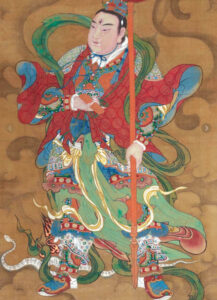
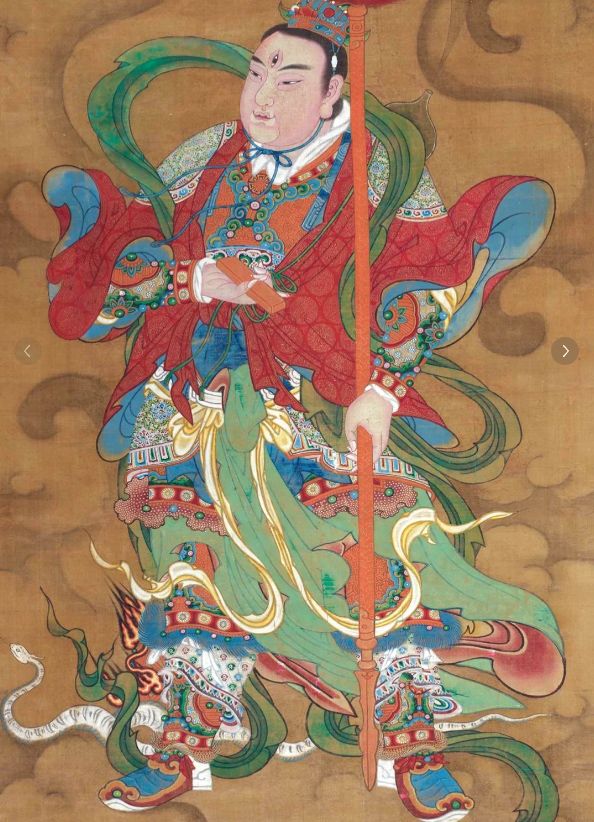
The Embroidered War Robe (绣衫) is a wide-sleeved robe or short outer garment associated with armored military figures. It is clothing rather than an essential protective armor component: its importance lies in status, cultural identity, and the visual language of the armored figure.
The robe may be worn outside a completed armor system, or beneath the armor with its large sleeves deliberately left exposed. These two arrangements explain why patterned cloth can remain prominent even when most of the body is armored.
Worn Over Armor
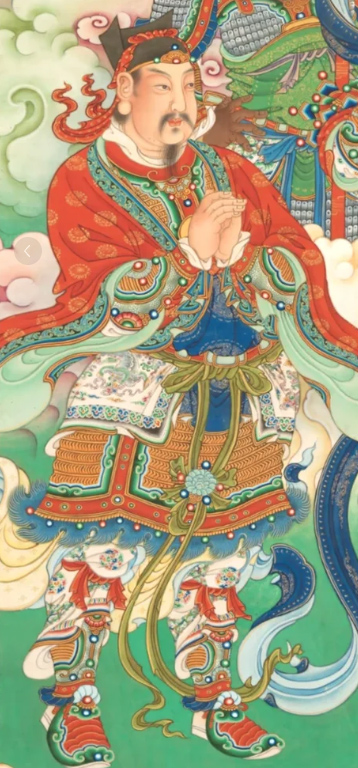
In the outer-worn form, the broad-sleeved garment sits over the armor. It may take the form of a short robe or upper garment without a rigid front closure, and loose lower corners or cloth may be tied. Large areas of embroidered or patterned fabric remain visible while the shoulders, arms, chest elements, waist armor, and skirt armor can still be read beneath or around it.
This arrangement may partly cover the armor, but the garment is not required for the armor to function.
Worn Under Armor
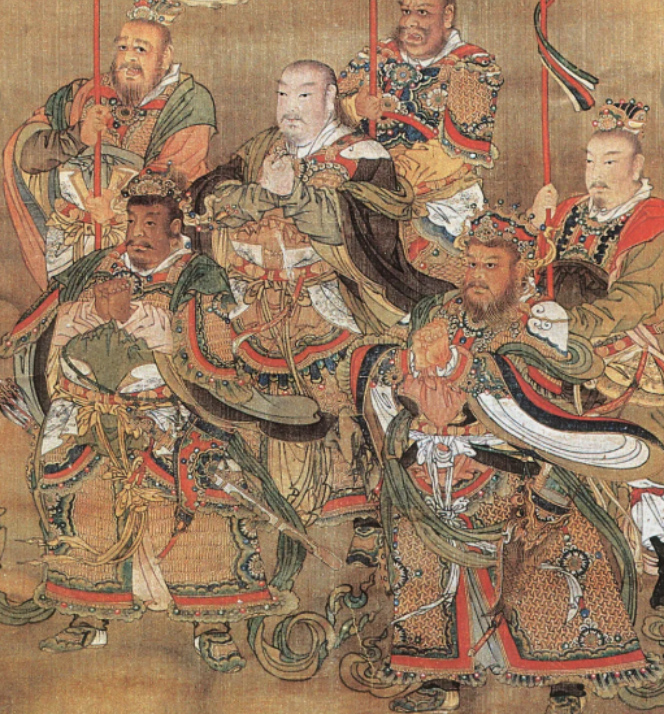
In the inner-worn form, the body of the robe is mostly covered by armor while the broad sleeves remain outside. In water-and-land paintings, this helps explain the recurring sight of two large fabric sleeves extending from a fully armored warrior. The sleeves should not automatically be identified as armor parts.
Managing the Large Sleeves
Wide sleeves can interfere with movement. Owner visual evidence includes oversized sleeves tied into knots or gathered to reduce that interference. Such practical control shows that the sleeve was not designed only for unrestricted combat motion; its visual and social role could be important enough that the wearer managed its inconvenience during wear.
Status and Cultural Meaning
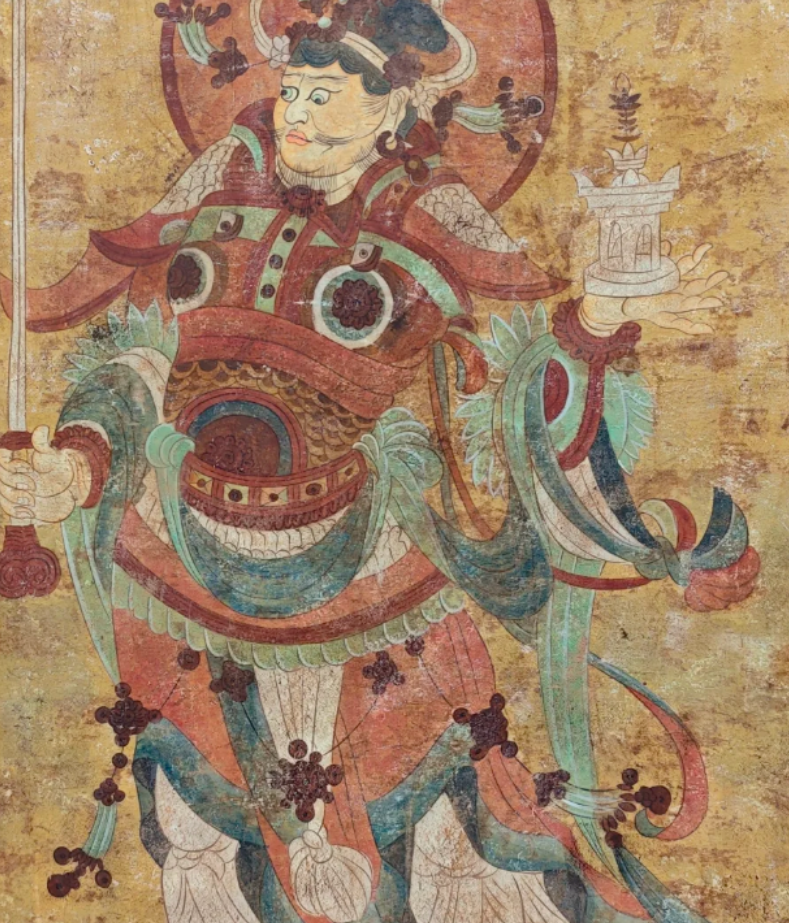
CG interprets the persistence of wide sleeves around armored figures as one expression of military elites within a bureaucratic and civil-order visual system. Armor communicates martial role and power, while the robe can communicate rank, civil order, institutional identity, and ritual legitimacy.
Military organizations are highly attentive to hierarchy and command, and Song–Ming official dress systems strongly emphasized visible distinctions of rank. Embroidered and differentiated robe forms may therefore have helped externalize social or official position in military culture. This is a CG cultural interpretation based on repeated visual patterns, dress hierarchy, and the coexistence of military and civil dress languages; it is not presented as a single universal cause or as a modern rank badge.