
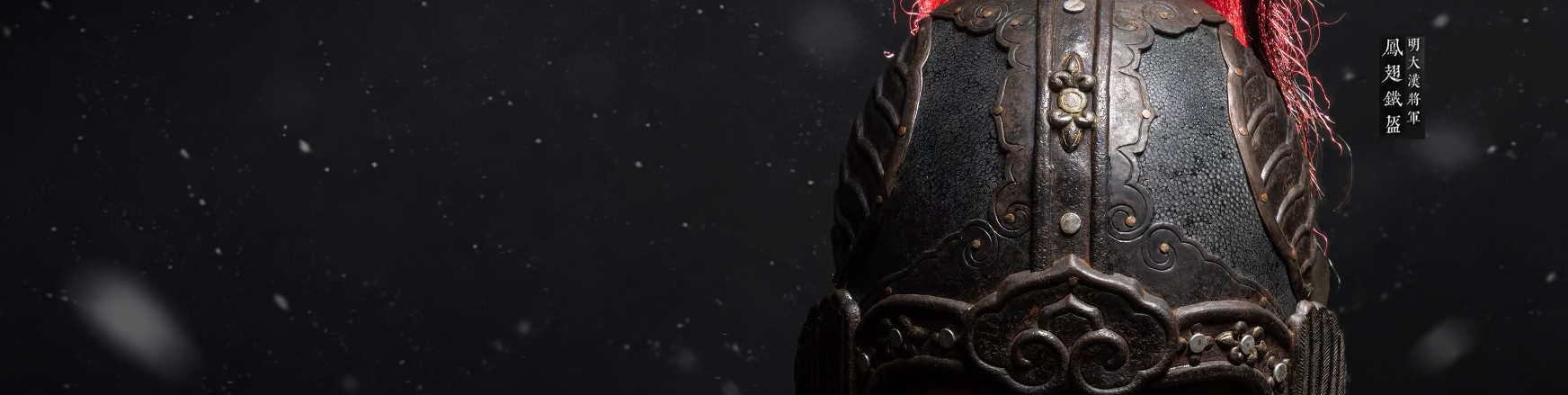
Armor
Where History Meets Myth
Exploring Divine Armor Through Art, Sculpture, and Ritual Tradition
Divine Armor:
Between Reality and Imagination
Throughout Chinese religious art, martial deities, heavenly generals, guardian kings, and divine protectors are frequently depicted in elaborate armor.
At first glance, these armors appear fantastical—too elaborate, too decorative, and often too complex to have existed in reality.
Yet a closer examination reveals something remarkable.
The origins of divine armor can be traced to real military equipment used throughout Chinese history. Helmets, breastplates, pauldrons, arm guards, protective skirts, boots, and weapons all have historical counterparts.
However, divine armor was not modeled after ordinary battlefield equipment alone.
Many of its most magnificent features appear to have emerged from ceremonial and parade armor worn by imperial guards—armor designed not only for protection, but also for display, authority, and visual impact.
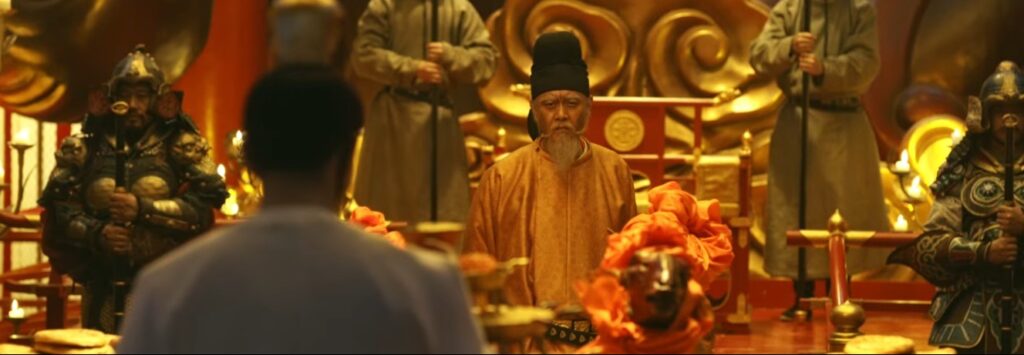
Imperial ceremonial armor in The Longest Day in Chang’an (2019).
Over centuries, painters, sculptors, and religious image-makers transformed these historical forms. Through Buddhist and Daoist imagery, temple sculpture, and Water-Land paintings, practical armor gradually became aesthetic armor.
Details were enlarged. Silhouettes became more dramatic. Ornament replaced utility. Historical military equipment evolved into a visual language capable of expressing divine power, rank, and identity.
What we see in temples, sculptures, paintings, and ritual images is therefore not fantasy separated from reality, but reality transformed and idealized.
Divine armor was not invented from nothing.
This section explores that transformation.
Anatomy of Divine Armor
A visual guide to the components that form the language of divine armor.
Understanding the Structure:
Divine armor is not a single object. It is a system.
What appears at first glance to be one magnificent suit is actually an assembly of many separate components. Helmets, shoulder guards, arm defenses, waist guards, skirt panels, greaves, belts, and countless smaller fittings work together to create the complete image of a heavenly general.
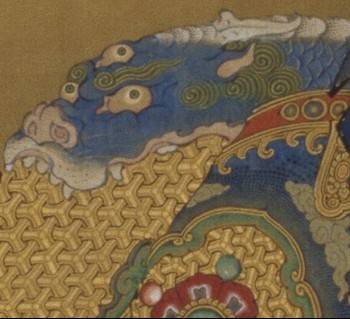
Most of these elements originated from practical military needs. Some protected the body. Some improved mobility on horseback. Others helped commanders stand out on crowded battlefields. Over centuries, these functional components gradually evolved into a visual language of authority, power, and divine status.
The components themselves are only part of the story. Equally important are the cords, straps, buckles, and rings that connect them. In Chinese armor, these visible ties became a distinctive aesthetic feature. The character of a warrior emerges not only from the armor plates, but also from the rhythm of the bindings that hold the entire structure together.
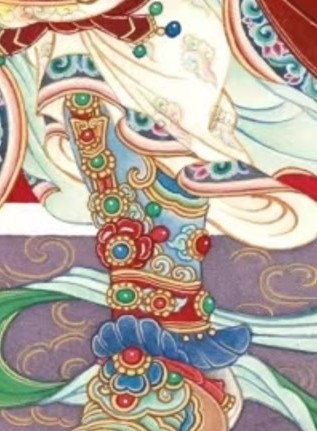
Because each component can be combined in different ways, armor possesses extraordinary expressive potential. The same collection of elements can create very different personalities and atmospheres. A broad pair of pauldrons may suggest strength and authority; flowing swallow-tail ornaments may create movement and elegance; heavily layered armor can feel imposing, while a lighter arrangement may appear agile and refined.
Different combinations of the same vocabulary produce different identities. This flexibility and diversity are among the enduring charms of divine armor.
Understanding these components is therefore the first step toward understanding the language of divine armor.
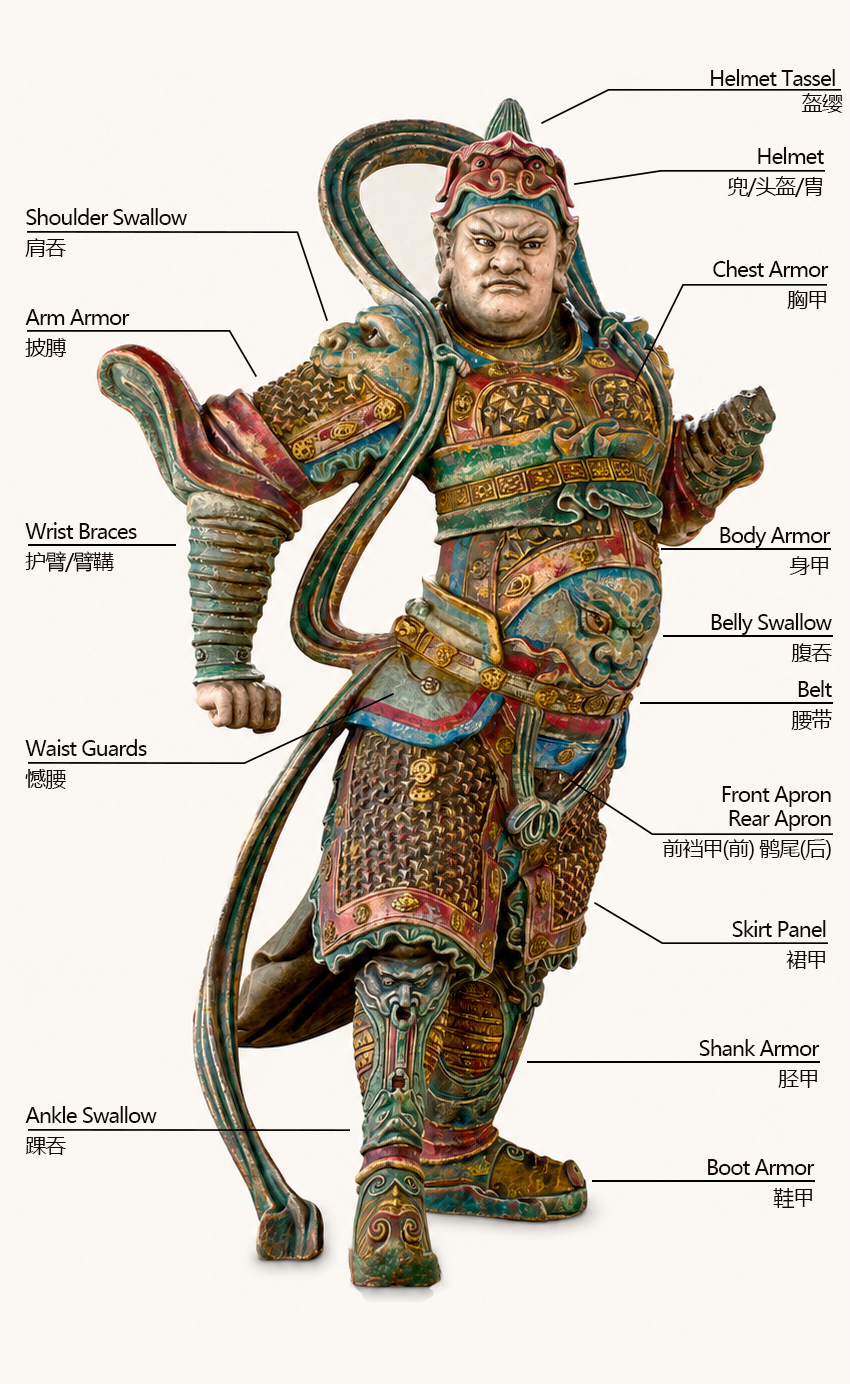
Armor Components
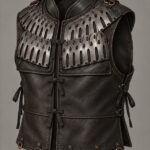 Armor Support Vest
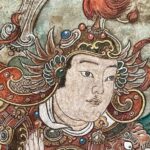 Helmet
 Helmet Tassel
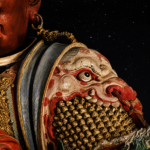 Shoulder Swallow
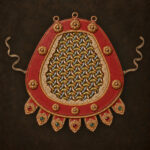 Upper-Arm Armor
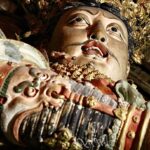 Forearm Guards
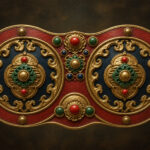 Chest Armor
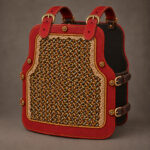 Body Armor
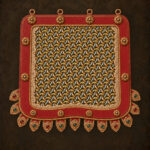 Skirt Panel
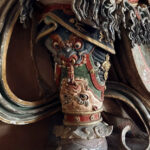 Shin Armor
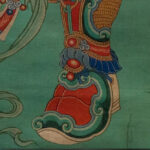 Foot Armor
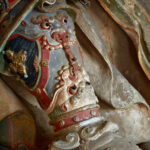 Ankle Swallow
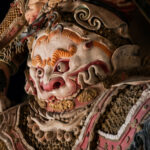 Belly Swallow
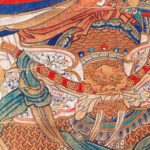 Armor Belt
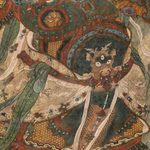 Waist Support
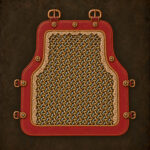 Front Body Armor
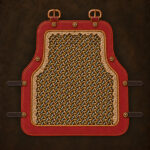 Rear Body Armor
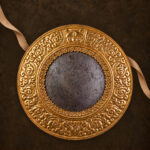 Heart-Protecting Mirror
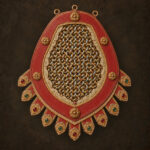 Front Apron
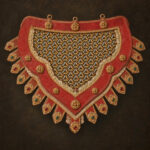 Rear Apron
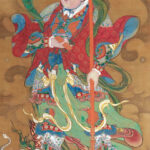 Embroidered War Robe
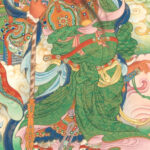 Wenwu Sleeve
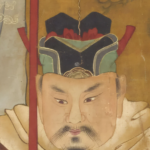 Futou
Futou
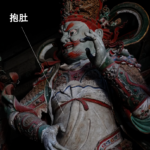 Baodu
Baodu
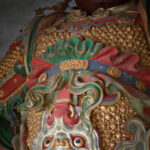 Armor Surface Construction
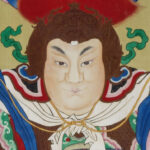 Shoulder Scarf
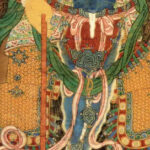 Fish-Tail Groin Guard
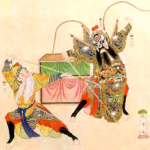 Back Banner
Articles
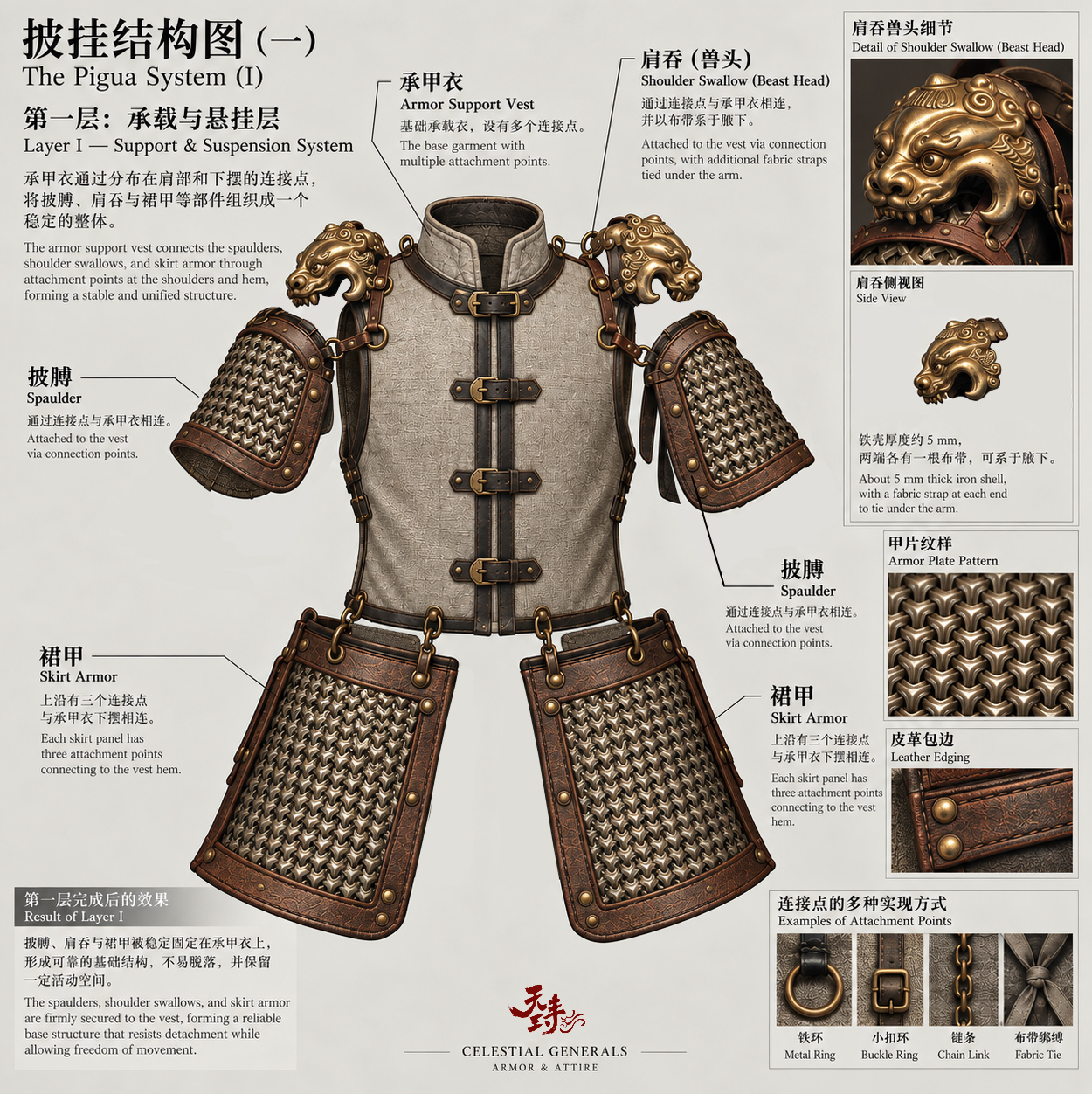
How Chinese Armor Is Worn
A structural guide to how independent parts of Chinese armor are carried, suspended, fastened, and assembled into a wearable system.
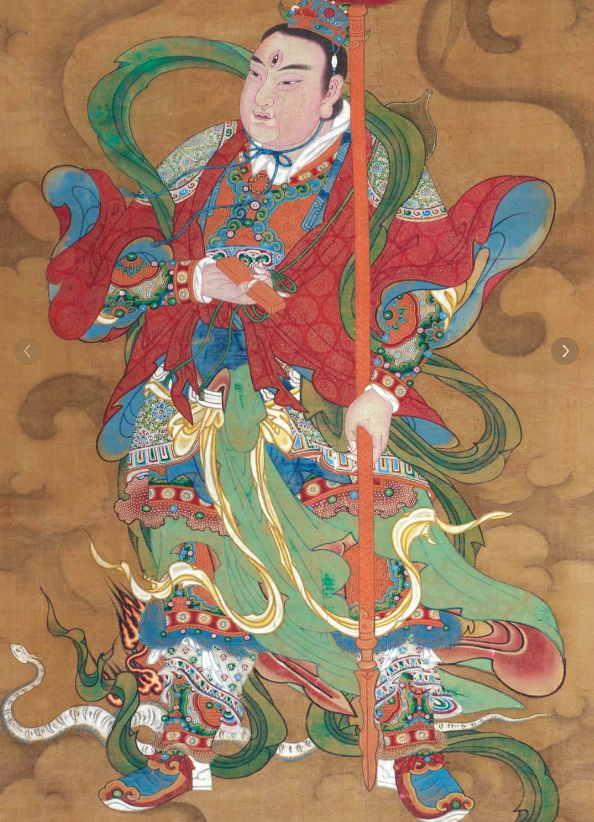
Why Did Chinese Armored Warriors Wear Long Sleeves?
Why broad sleeves, embroidered over-robes, and the one-arm-exposed Wenwu Sleeve became enduring signs of rank and ordered military authority.
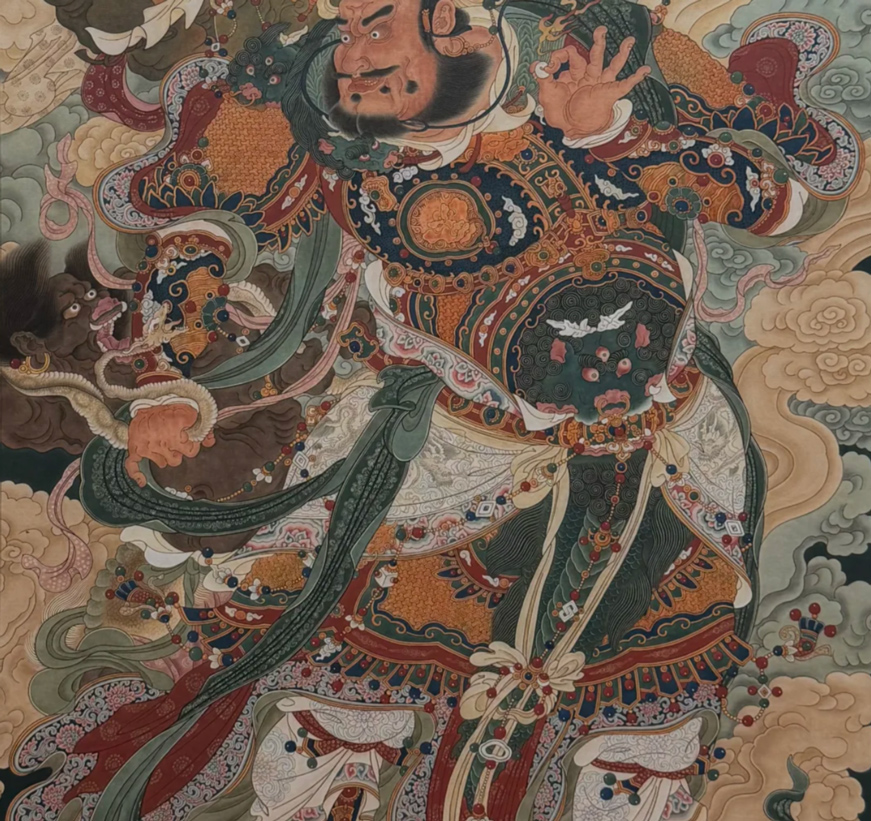
Chinese Armor Is a Suspension System
Chinese armor was fundamentally a suspension system.
The Language of Divine Armor
Understanding Character Through Armor
IIf armor helps define character, it does so through a remarkably stable visual vocabulary.
Across centuries of Chinese religious art, the same armor elements appear again and again, allowing viewers to immediately recognize heavenly generals, guardian kings, and divine warriors.
Whether appearing in temple sculptures, Water-Land paintings, murals, or ritual prints, heavenly generals are often depicted with the same core elements.
Yet armor language is not created by individual components alone.
The true expressive power of divine armor emerges through combination. Different arrangements of armor, weapons, ornaments, banners, colors, and silhouettes create different personalities, ranks, and identities.
This visual language extends far beyond religious imagery. It appears throughout traditional Chinese novels, opera, storytelling traditions, folk illustrations, and popular mythology, where audiences learned to recognize a character’s role almost instantly through appearance alone.
Traditional Character Archetypes
The Scholar-General
How armor, robes, posture, and restrained ornament create the image of the cultivated commander.
The Fierce Warrior
How heavy armor, animal motifs, exaggerated proportions, and powerful weapons communicate strength and aggression.
The Young Hero
How lighter armor, elegant silhouettes, flowing ribbons, and refined proportions create youthful energy and agility.
The Guan Yu Archetype
How armor, beard, weapon, and costume combine to form one of the most recognizable martial identities in Chinese visual culture.
The Marshal
How supreme commanders are distinguished through ceremonial armor, banners, rank insignia, and visual authority.
Weapons as Character Language
How unusual weapons become extensions of personality, mythology, and narrative identity.
Beyond Armor
How armor works together with costume, ornaments, banners, and posture to create complete visual characters.
Conclusion
These recurring features formed a shared visual language through which artists identified divine warriors and communicated heavenly authority.
Many components of divine armor appear impossibly elaborate when viewed in paintings and sculptures. Yet behind these heavenly forms lie practical solutions developed by armor makers over centuries. The closer one looks, the more divine armor reveals its roots in reality.
Armor, Identity, and Beyond
How Armor Becomes Character
Divine armor in Chinese art serves a purpose different from that of many historical military traditions.
European armor often emphasizes protection and mechanical efficiency. The warrior gradually disappears beneath layers of steel, becoming almost inseparable from the armor itself. Japanese armor frequently pursues intimidation through dramatic silhouettes, elaborate helmets, and fearsome masks, transforming the wearer into a mysterious and often unsettling presence.
Chinese divine armor follows another path.
It is designed not only for warriors, but for characters.
In Chinese religious art, vernacular literature, opera, and storytelling traditions, armor is rarely separate from the figure who wears it. Helmets, breastplates, banners, weapons, ribbons, boots, and ornaments all become part of a character’s visual identity.
The golden armor of Lü Bu, the silver armor of Zhao Yun, the martial regalia of heavenly generals, or the iconic attire of Sun Wukong are more than equipment. They are extensions of the characters themselves. Remove these elements, and the figures become difficult to imagine.
In this sense, armor functions much like the concept of xingtou (行头) in traditional Chinese opera. A role is not defined by the actor alone, but by the complete visual ensemble that allows the audience to recognize and understand the character. Divine armor serves a similar purpose. It is not merely worn by the character—it helps create the character.
Armor is not worn by the character. Armor is part of the character.
Unlike many historical military traditions, Chinese divine armor rarely pursues complete steel enclosure. Even when heavily armored, heavenly generals are often depicted with flowing robes, ribbons, scarves, banners, tassels, and decorative fabrics. Hard materials coexist with soft materials. Iron plates are balanced by leather. Protection is balanced by ornament.
The armor becomes softer, so the character can become stronger.
This combination creates a unique visual effect. The viewer never sees a faceless machine of war, nor a figure completely transformed into a monster. Instead, one sees a recognizable personality—heroic, noble, fierce, righteous, or divine.
The less the armor dominates the figure, the more the figure itself comes alive.
This is why divine armor often feels different from both European and Japanese traditions. Rather than concealing the individual behind steel or transforming him into an intimidating apparition, it reinforces identity. It combines martial power with theatrical elegance, military equipment with visual storytelling, creating a tradition in which armor becomes inseparable from character.
To understand divine armor, one must therefore look beyond military function. Every plate, ornament, ribbon, weapon, and decorative element contributes not only to protection, but also to personality.
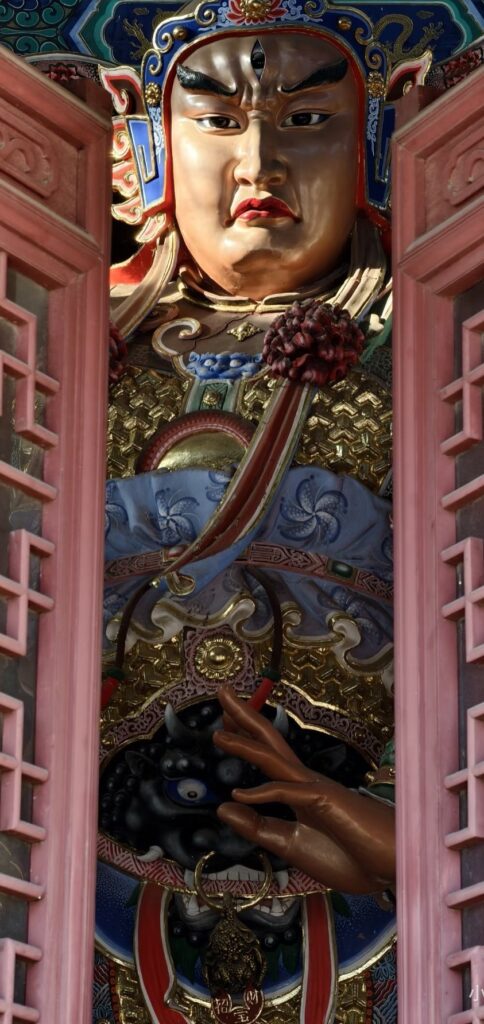
loped by armor makers over centuries. The closer one looks, the more divine armor reveals its roots in reality.