A visual guide to the components that form the language of divine armor.
Understanding the Structure:
Divine armor is not a single object. It is a system.
What appears at first glance to be one magnificent suit is actually an assembly of many separate components. Helmets, shoulder guards, arm defenses, waist guards, skirt panels, greaves, belts, and countless smaller fittings work together to create the complete image of a heavenly general.
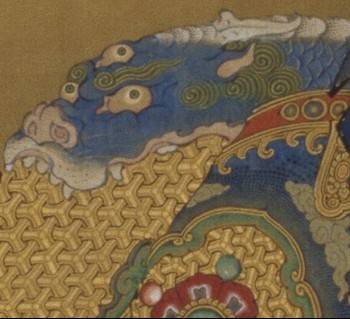
Most of these elements originated from practical military needs. Some protected the body. Some improved mobility on horseback. Others helped commanders stand out on crowded battlefields. Over centuries, these functional components gradually evolved into a visual language of authority, power, and divine status.
The components themselves are only part of the story. Equally important are the cords, straps, buckles, and rings that connect them. In Chinese armor, these visible ties became a distinctive aesthetic feature. The character of a warrior emerges not only from the armor plates, but also from the rhythm of the bindings that hold the entire structure together.
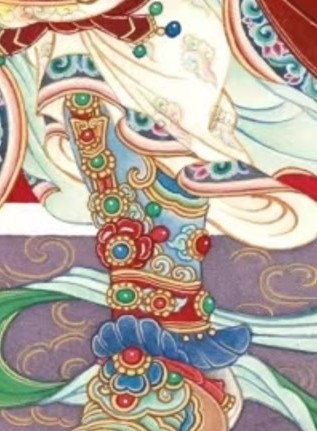
Because each component can be combined in different ways, armor possesses extraordinary expressive potential. The same collection of elements can create very different personalities and atmospheres. A broad pair of pauldrons may suggest strength and authority; flowing swallow-tail ornaments may create movement and elegance; heavily layered armor can feel imposing, while a lighter arrangement may appear agile and refined.
Different combinations of the same vocabulary produce different identities. This flexibility and diversity are among the enduring charms of divine armor.
Understanding these components is therefore the first step toward understanding the language of divine armor.
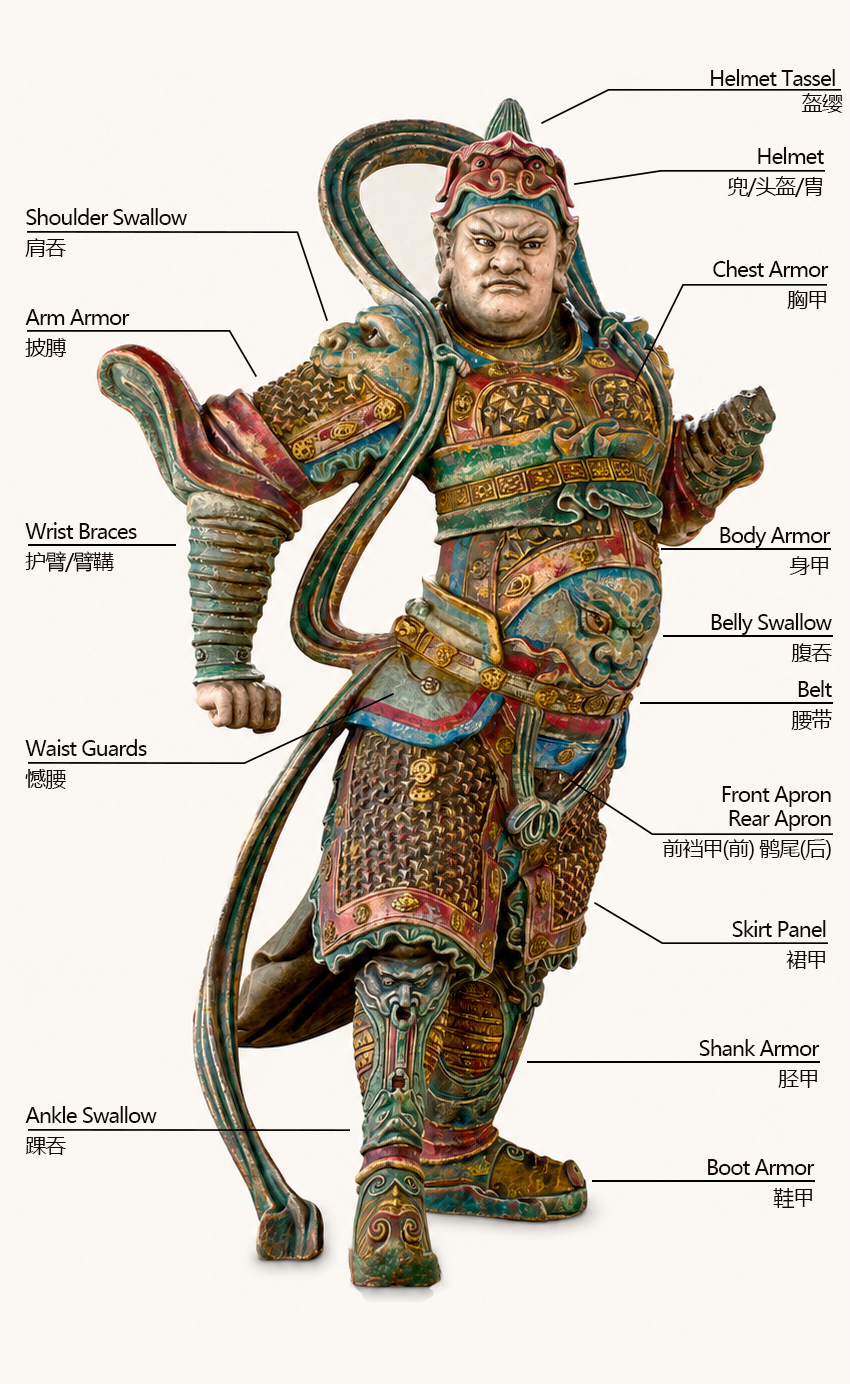
Arm Armor
Chest Armor
Body Armor
Belly Swallow
Belt
Skirt Panel
Arm Armor
Boot Armor