EPIC 001
虎牢关
Hulao Pass
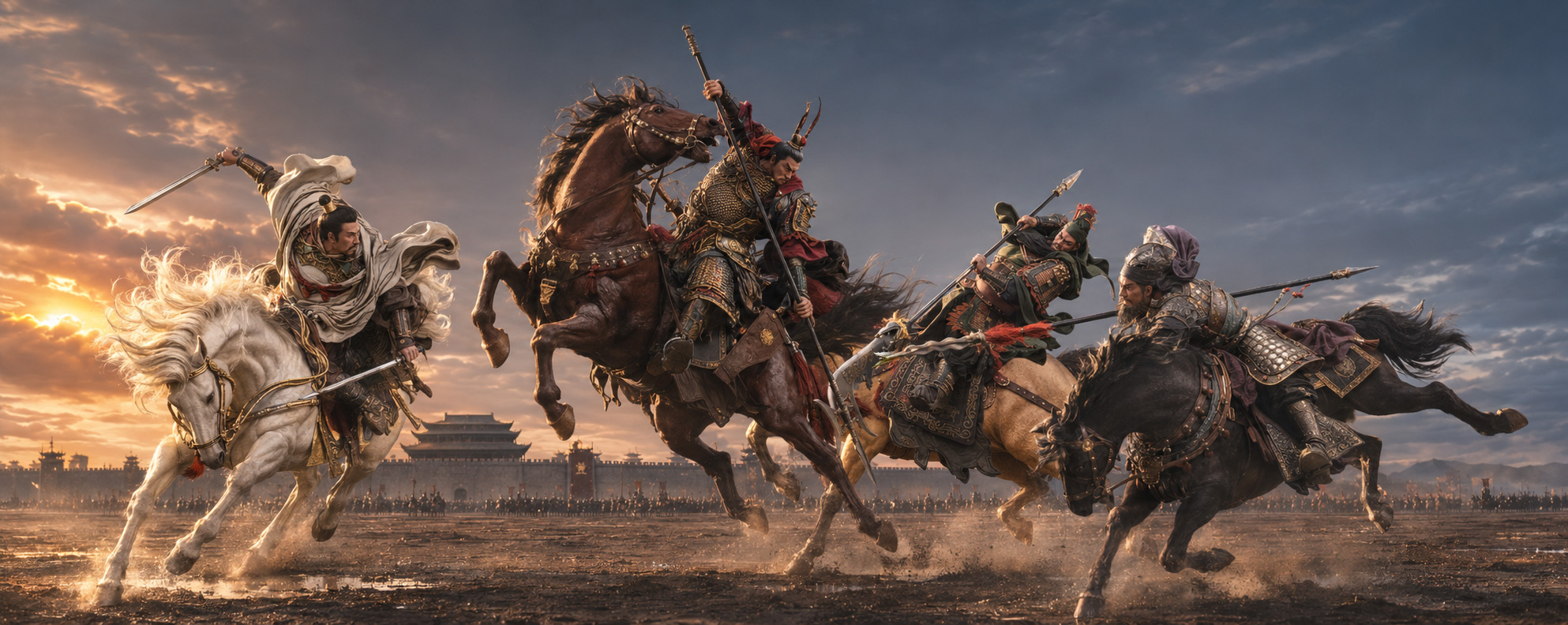
三英战吕布
Three Heroes Battle Lü Bu
十八路诸侯讨董卓
The Coalition Against Dong Zhuo
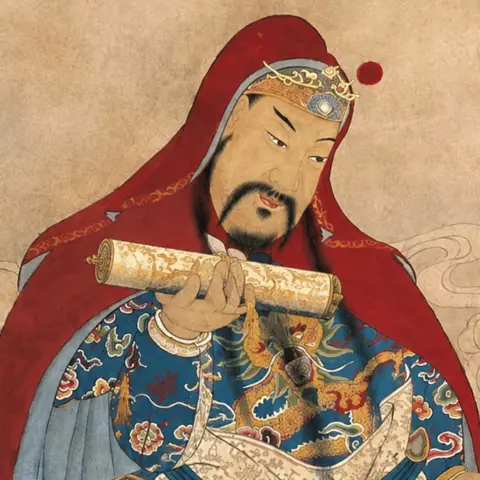
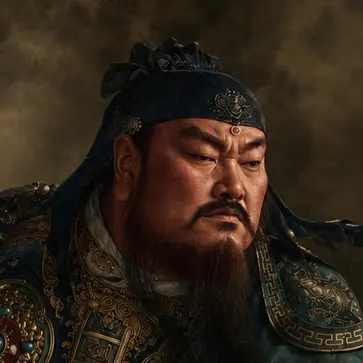
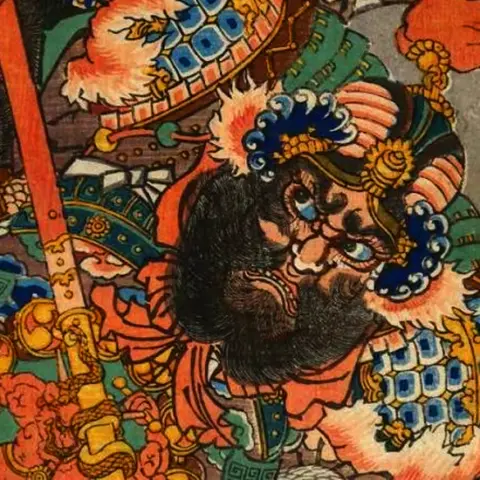
Main Characters
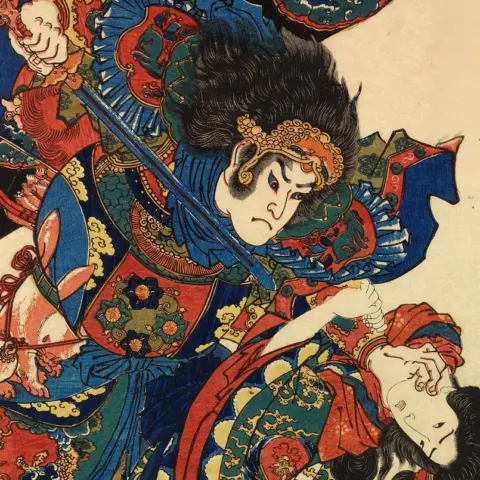
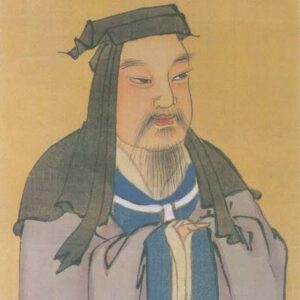
FORCES
势力与阵营
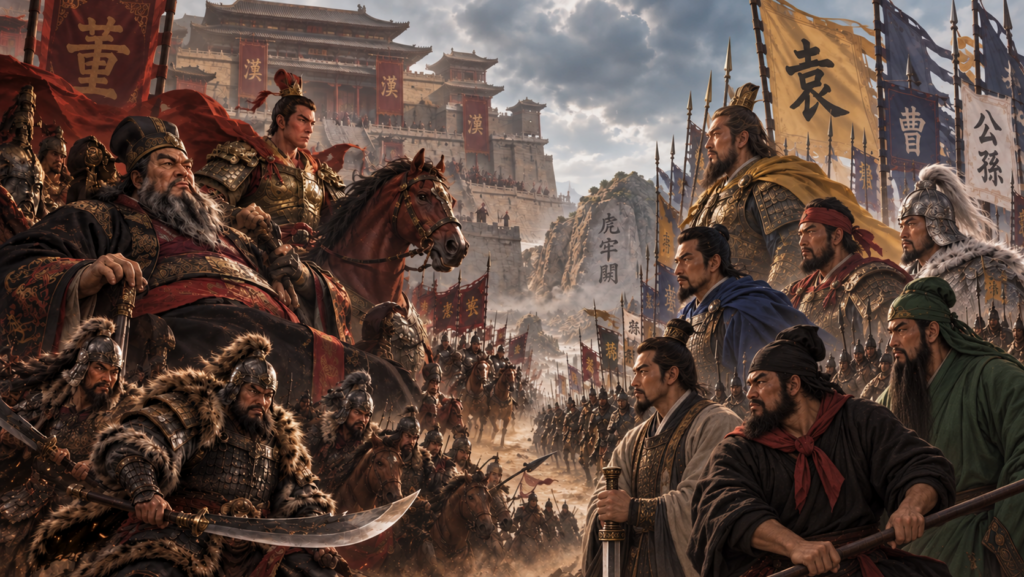
The struggle at Hulao Pass was not simply a clash between a handful of famous warriors. Behind the battlefield stood two very different kinds of power.
On one side was Dong Zhuo, who controlled the Han court, the imperial capital, and much of the machinery of the central government. His own Liangzhou military following included men such as Lü Bu, Hua Xiong, Li Jue, Guo Si, Zhang Ji, Fan Chou, Li Ru, and others, but his power extended far beyond a single regional army. The emperor, the court, the capital, its officials, its troops, and the institutions of the state were all held under his control—even when many within that system obeyed only under coercion.
Facing him was the coalition of the Eighteen Lords, a gathering of regional governors, commanders, and warlords drawn from across the realm. Their combined strength was immense, but they were never a single army in the true sense. Each lord brought his own troops, ambitions, rivalries, and political interests. They stood together against Dong Zhuo, but only temporarily.
This contrast shaped the entire campaign: a seized imperial center against a vast but fragile alliance of regional powers.
Dong Zhuo and the Imperial Court
董卓与朝廷势力
Dong Zhuo represented more than a western military faction. By controlling the emperor and the court, he also controlled the political center of the empire.
Behind his Liangzhou commanders stood Luoyang, the imperial court, official institutions, troops, supplies, and the authority of the Han state itself. Much of that obedience was forced, but on the battlefield the distinction mattered little: Dong Zhuo could wield the resources of the central government as instruments of his own power.
His side therefore combined two layers:
- Dong Zhuo’s own military network
- the imperial state apparatus under his control
This is what made the coalition’s campaign so much larger than a quarrel between rival warlords.
Coalition Forces
十八路诸侯联军
According to Romance of the Three Kingdoms, the coalition consisted of eighteen lords:
- Yuan Shu
- Han Fu
- Kong Zhou
- Liu Dai
- Wang Kuang
- Zhang Miao
- Qiao Mao
- Yuan Yi
- Bao Xin
- Kong Rong
- Zhang Chao
- Tao Qian
- Ma Teng
- Gongsun Zan
- Zhang Yang
- Sun Jian
- Yuan Shao
- Cao Cao
Yuan Shao was chosen as the alliance leader, while Cao Cao was one of the principal figures driving the campaign against Dong Zhuo.
But one point is important:
Liu Bei, Guan Yu, and Zhang Fei were not among the Eighteen Lords.
At this stage of the story, they came to the coalition in the company of Gongsun Zan. In rank, reputation, and political standing, they were far below the great lords gathered in the camp.
And yet it was these three largely unknown men who would soon dominate the battlefield.
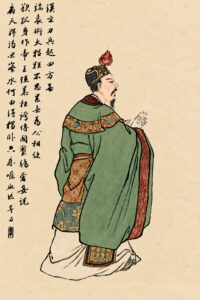
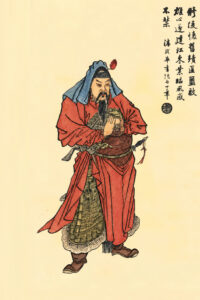
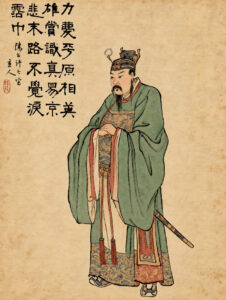
The old order still sat in the halls of power. The new heroes were already riding onto the battlefield.
旧秩序仍坐在权力中心,新英雄已经冲上战场。
The Story
Before the Three Kingdoms, there was this gathering of heroes.
三国尚未成形,英雄已经登场。
The coalition against Dong Zhuo began with tremendous spectacle. Lords from across the realm raised their banners and marched toward Luoyang, gathering under Yuan Shao in the name of restoring order to the Han. Yet the alliance was never truly united. Rivalry, pride, hesitation, and private ambition ran beneath the surface from the beginning.
Dong Zhuo’s commanders met the coalition before it could threaten the capital directly. Among them, Hua Xiong quickly became the first great terror of the campaign. He defeated one challenger after another, and the mood in the allied camp turned from confidence to unease.
Liu Bei, Guan Yu, and Zhang Fei were not among the Eighteen Lords of the coalition.
At this stage of the story, they arrived in the company of Gongsun Zan and stood far below the great regional lords in rank and reputation.
Yet it was these three largely unknown men who would step onto the battlefield and seize the attention of everyone present.
刘备、关羽、张飞并不在十八路诸侯之列。
Hua Xiong Dominates the Field
华雄逞威
Hua Xiong’s victories were not simply battlefield successes; they were a humiliation for the coalition. One commander after another failed before him, until the assembled lords were left staring at one another with no one eager to answer the challenge.
Then Guan Yu stepped forward.
He was not yet a famous lord or celebrated general. To many of those present, he was only a warrior standing behind Liu Bei. Yuan Shu mocked his low rank, but Cao Cao recognized something different and ordered that he be given wine before battle.
Guan Yu refused to drink it.
“Pour it for me. I will return.”
The old order still judged men by rank and lineage. The coming age would judge them by what they could do.
旧时代仍以门第和官爵衡量人物,而即将到来的时代,开始以他们真正能够做到什么来衡量英雄。
Guan Yu Slays Hua Xiong
温酒斩华雄
Guan Yu rode out, met Hua Xiong, and killed him with a single stroke. When he returned carrying Hua Xiong’s head, the wine Cao Cao had poured for him was still warm.
The moment changed Guan Yu’s place in the eyes of the coalition. In one brief encounter, an unknown warrior had done what the assembled lords and their generals could not. A cup of wine, a ride into battle, a severed head, and a return before the heat had faded became one of the most famous introductions in the entire novel.
But Hua Xiong was only the beginning.
Lü Bu soon entered the field.
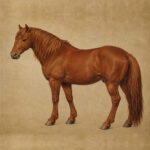
If Hua Xiong had shaken the coalition, Lü Bu overwhelmed it. Riding Red Hare and wielding his halberd, he became the center of the battlefield the moment he appeared. Fang Yue was killed. Mu Shun was cut down. Wu Anguo was wounded and forced to retreat. Gongsun Zan himself could not withstand him and fled under pursuit.
Lü Bu Enters the Battlefield
吕布出阵
The tone of the battle changed completely. The coalition was no longer facing merely a strong enemy commander. Lü Bu appeared almost unstoppable, cutting through one challenger after another and driving the allied forces backward.
As Gongsun Zan fled, Zhang Fei suddenly charged out.
He did not wait for ceremony. He shouted his challenge at Lü Bu and drove straight into the fight.
Unlike the men who had fallen before him, Zhang Fei did not break.
Zhang Fei Challenges Lü Bu
张飞战吕布
The two fought fiercely, neither able to end the contest quickly.
This was the first moment when Lü Bu truly met an opponent who could stand against him. Zhang Fei’s arrival transformed the battle from a rout into a contest between equals.
Then Guan Yu entered.
With Guan Yu joining Zhang Fei, the battle rose again in intensity. Three of the greatest warriors in the entire romance were now fighting in the same space, their weapons crossing again and again while the armies around them watched.
Still Lü Bu held.
Then Liu Bei drew his twin swords and joined his brothers.
The old order was still sitting in the tent. The new heroes had already ridden onto the battlefield.
旧秩序还坐在帐中,新英雄已经冲上战场。
Three Heroes Battle Lü Bu
三英战吕布
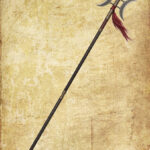
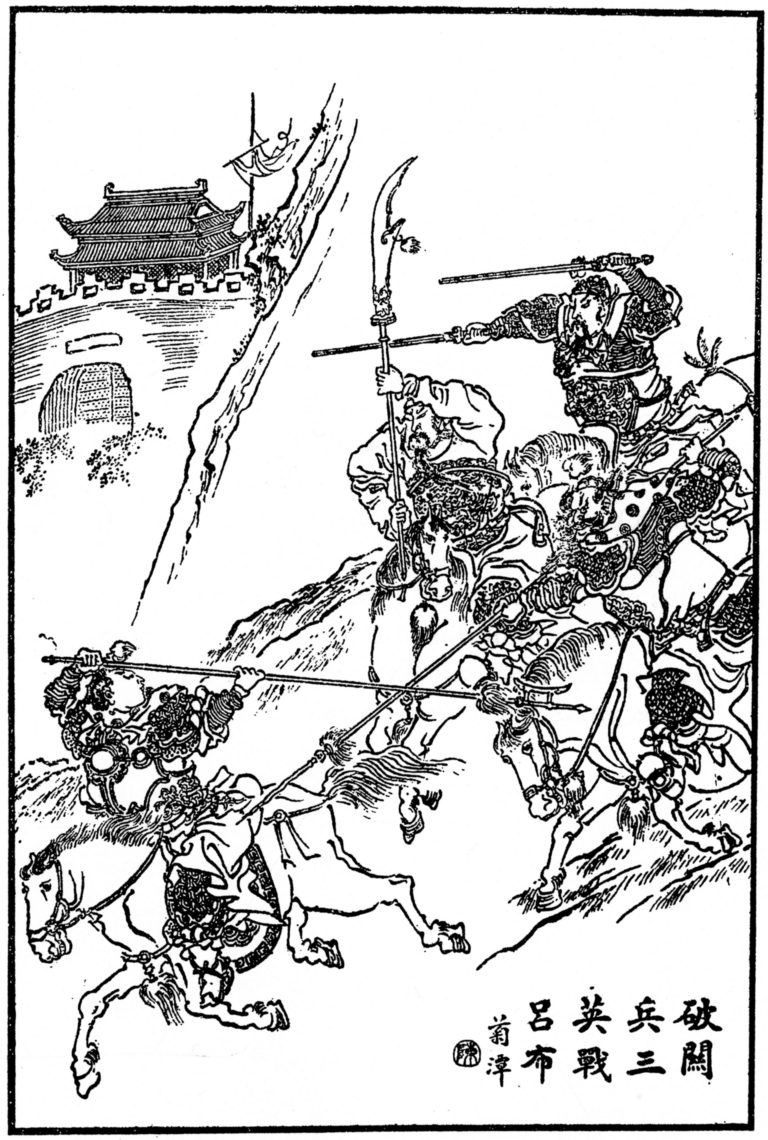
The fight became one of the defining images of Romance of the Three Kingdoms: Zhang Fei with his serpent spear, Guan Yu with the Green Dragon Crescent Blade, Liu Bei with his twin swords, all surrounding Lü Bu on Red Hare.
At last, facing all three brothers together, Lü Bu could no longer maintain the fight and withdrew.
The battle did more than produce a famous victory. It fixed the image of Liu Bei, Guan Yu, and Zhang Fei as an inseparable brotherhood of warriors, and it established Lü Bu as the standard against which the strongest fighters in the novel would be measured.
This was not a war between heroes who were already famous. It was a war in which heroes began to become heroes.
这不是一场已经成名的英雄之间的战争,而是一场英雄开始成为英雄的战争。
Yet even this was not the end of the campaign.
As the coalition continued to press toward Luoyang, Dong Zhuo chose not to defend the capital to the last. He ordered the court moved west to Chang’an, forced the population to follow, and abandoned Luoyang to destruction and fire.
The coalition entered a ruined capital.
What had begun as a grand alliance against a common enemy now began to fracture. The lords who had gathered under one banner turned increasingly toward their own ambitions, rivalries, and territories.
The campaign against Dong Zhuo had not restored unity to the realm.
It had revealed how completely that unity was already gone.
TIME & TERRAIN
时间与地形
The campaign unfolded through a chain of encounters along the approaches to Luoyang. The timeline traces the drama; the map shows the mountains, passes, river corridors, and roads that gave the struggle its shape.
从诸侯会盟到虎牢鏖战,再到董卓西迁,战争不仅发生在时间之中,也发生在山川、河流、道路与关隘构成的空间之中。
Battle Timeline
战局进程
- The Coalition Gathers诸侯会盟
- Hua Xiong Checks the Advance华雄连胜
- Guan Yu Slays Hua Xiong温酒斩华雄
- Lü Bu Takes the Field吕布出阵
- Fang Yue Falls方悦战死
- Mu Shun Falls穆顺战死
- Wu Anguo Is Wounded武安国负伤
- Gongsun Zan Is Driven Back公孙瓒败退
- Zhang Fei Challenges Lü Bu张飞出战
- Guan Yu Joins the Fight关羽加入
- Liu Bei Enters the Battle刘备参战
- The Three Heroes Battle Lü Bu三英战吕布
Campaign Map
讨董战役形势图
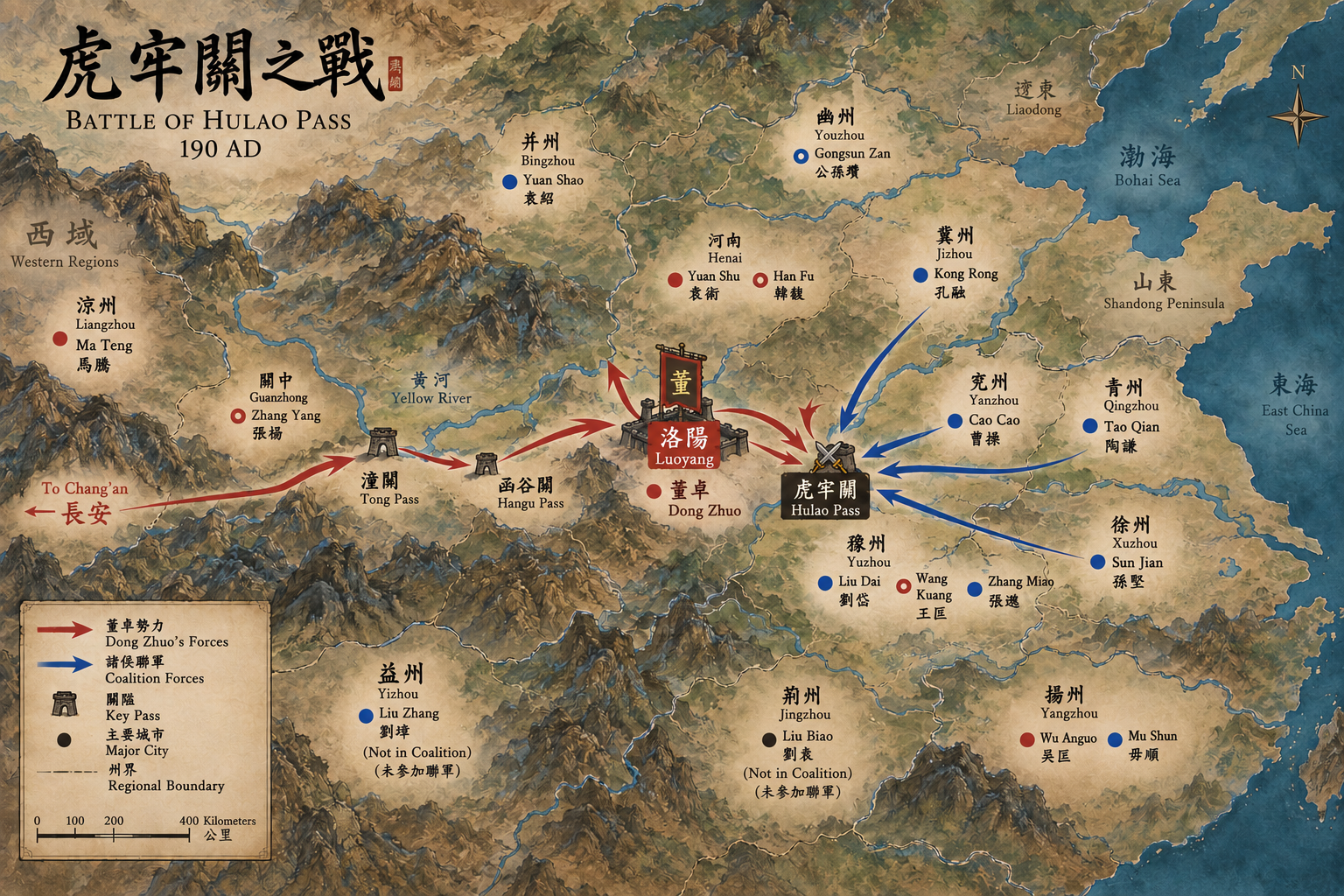
The map combines the wider coalition geography with the Luoyang–Hulao–Hangu–Tong Pass corridor, emphasizing the terrain that shaped movement between the Central Plains and the western approaches.
地图结合诸侯联盟的宏观分布与洛阳—虎牢—函谷—潼关一线的地形通道,突出山川与关隘如何塑造这场战争的推进方向。
WATCH THE STORY
影像中的虎牢关
From Lü Bu’s Arrival to the Battle of the Three Heroes
从吕布出阵到三英战吕布
This video follows the battle from Lü Bu’s entrance onto the field through his successive clashes with the coalition commanders, Zhang Fei’s challenge, Guan Yu’s intervention, and finally the moment when Liu Bei joins the fight and the Three Heroes force Lü Bu to withdraw.
这段视频完整呈现了吕布出阵、连续击败联军诸将、张飞迎战、关羽加入,直到刘备投入战团、三英最终迫使吕布退走的全过程,是《虎牢关》高潮段落最完整的一次影像演绎。
Video source: YouTube
Original title: 關東同盟劍指洛陽 • 呂奉先一將當關 | LÜ BU stands against one hundred thousand • Romance of Three Kingdoms #三英戰呂布
Creator / Channel: Stunner Cadaver