Articles
Research, mythology, iconography and sacred art.
_________________________________________
-
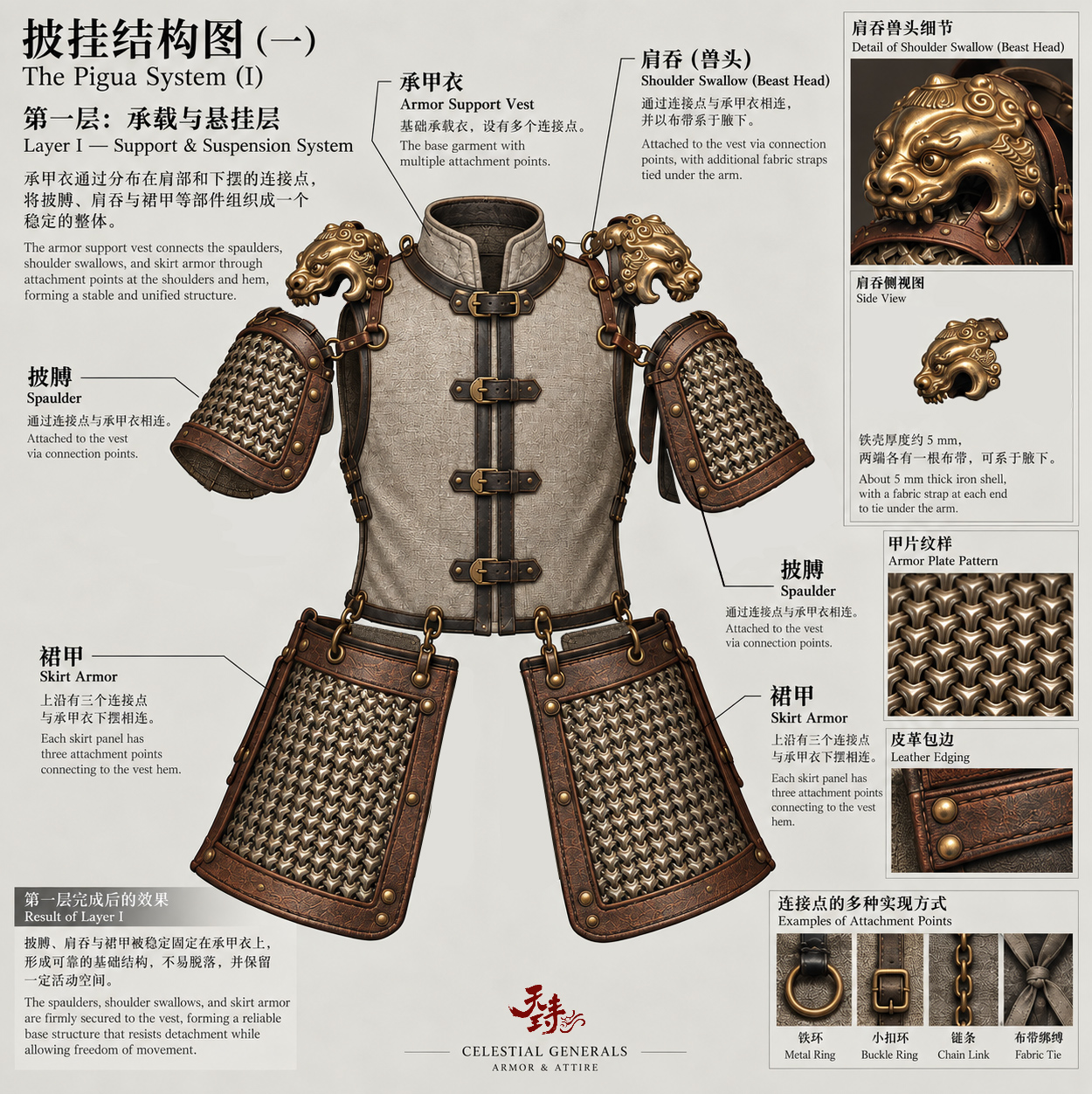
How Chinese Armor Is Worn
A structural guide to how independent parts of Chinese armor are carried, suspended, fastened, and assembled into a wearable system.
-
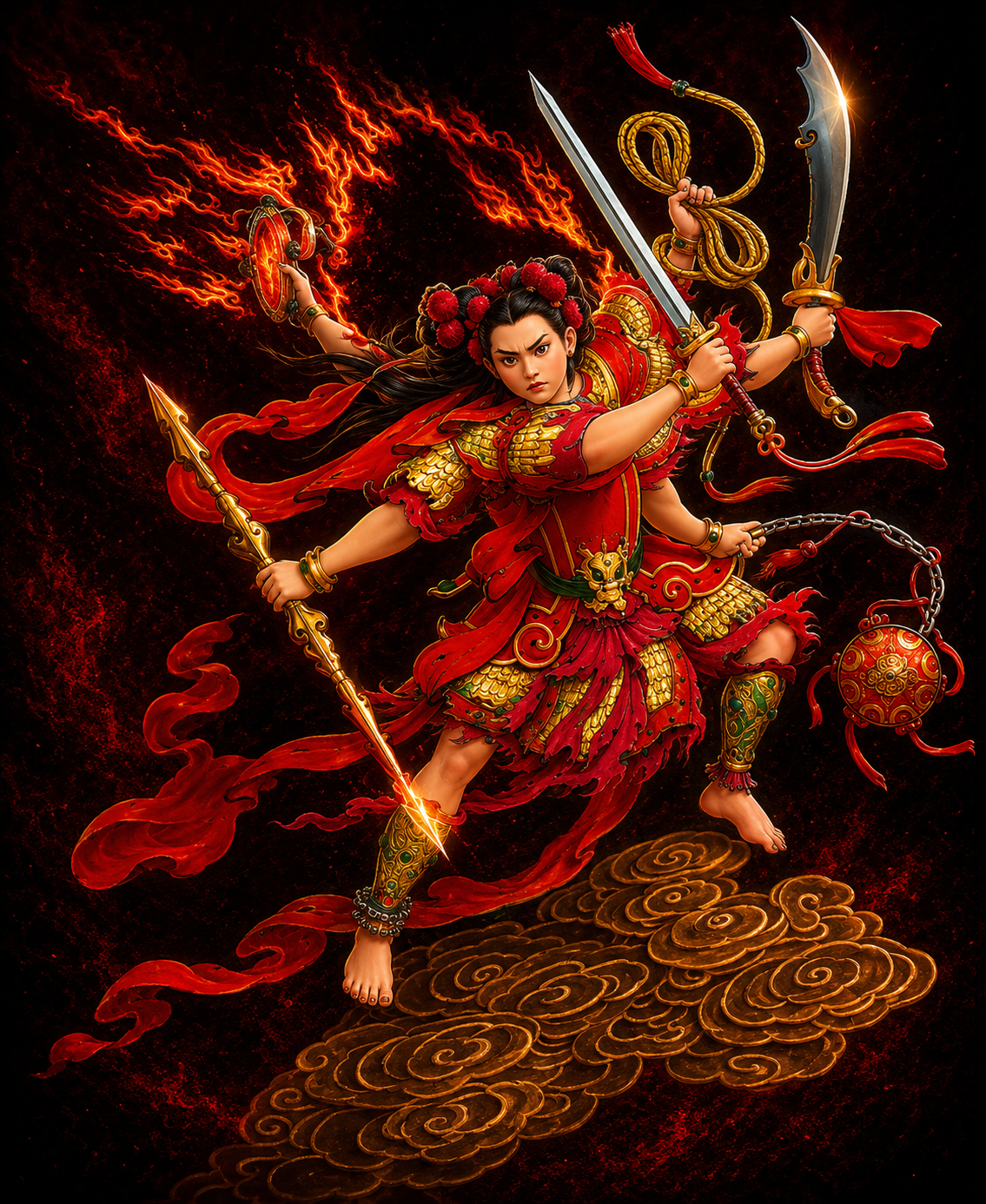
The Making of Nezha
Few figures in Chinese mythology have undergone as many transformations as Nezha. Over more than a thousand years, he evolved from a Buddhist protector deity into a celestial marshal, a rebellious child hero, and eventually one of the most recognizable icons of Chinese popular culture.
-
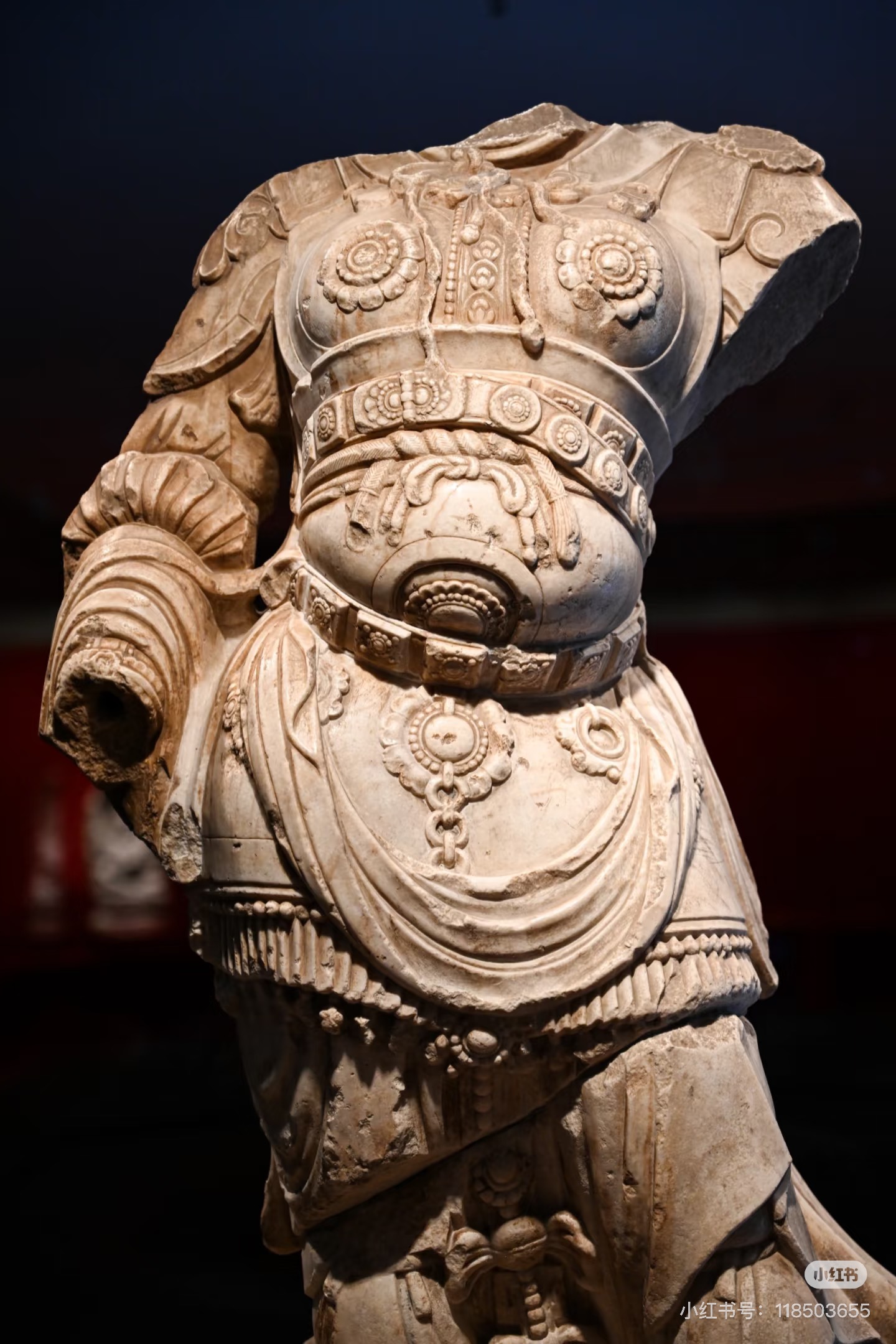
Anatomy of Divine Armor
A visual guide to the components that form the language of divine armor. Understanding the Structure: Divine armor is not a single object. It is a system. What appears at first glance to be one magnificent suit is actually an assembly of many separate components. Helmets, shoulder guards, arm defenses, waist guards, skirt panels, greaves,…
-
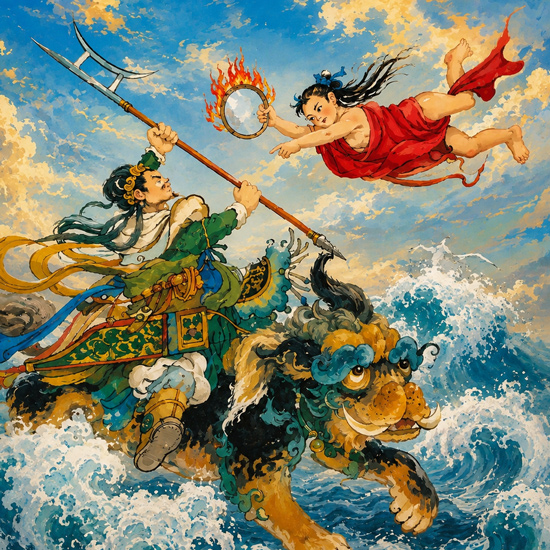
THE MYTH OF NEZHA
An exploration of Nezha’s sacred treasures across Chinese religious art, literature, and folklore, examining how different weapons and divine objects evolved through centuries of artistic tradition.
-
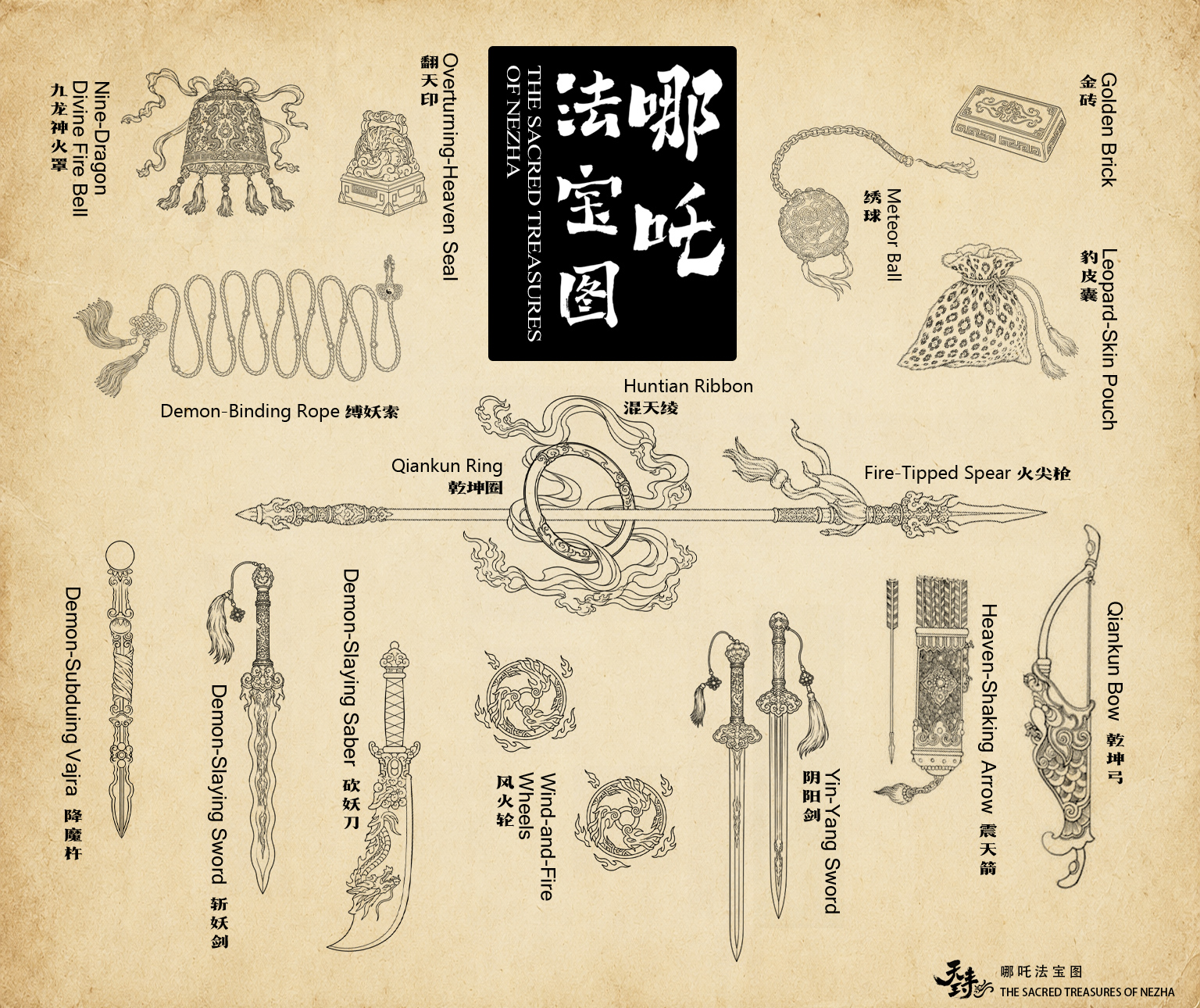
Nezha’s Divine Treasures
Over more than a thousand years of artistic evolution, Nezha acquired a rich visual language of weapons, magical objects, and bodily transformations. These attributes became essential to his identity and remain recognizable across paintings, sculptures, theater, and popular culture.
-

Huaguang Ultimate
THE ASCENT OF HUAGUANG Rebellion • Death • Rebirth • Growth • Apotheosis Huaguang’s story is not the story of a hero who became a god. It is the story of a god who learned how to grow. Unlike many heroes of Chinese mythology, Huaguang was not born a god, nor did he remain forever…
-
Nezha Ultimate
THE MYTH OF NEZHA Birth • Rebellion • Sacrifice • Rebirth • Apotheosis For more than a thousand years,the story of Nezha has been continuously retold throughreligion, literature, theater, and popular imagination. BIRTH The Child Born from a Ball of Flesh Keywords: Prophecy · Incarnation · Supernatural Birth Nezha was born at Chentang Pass during…